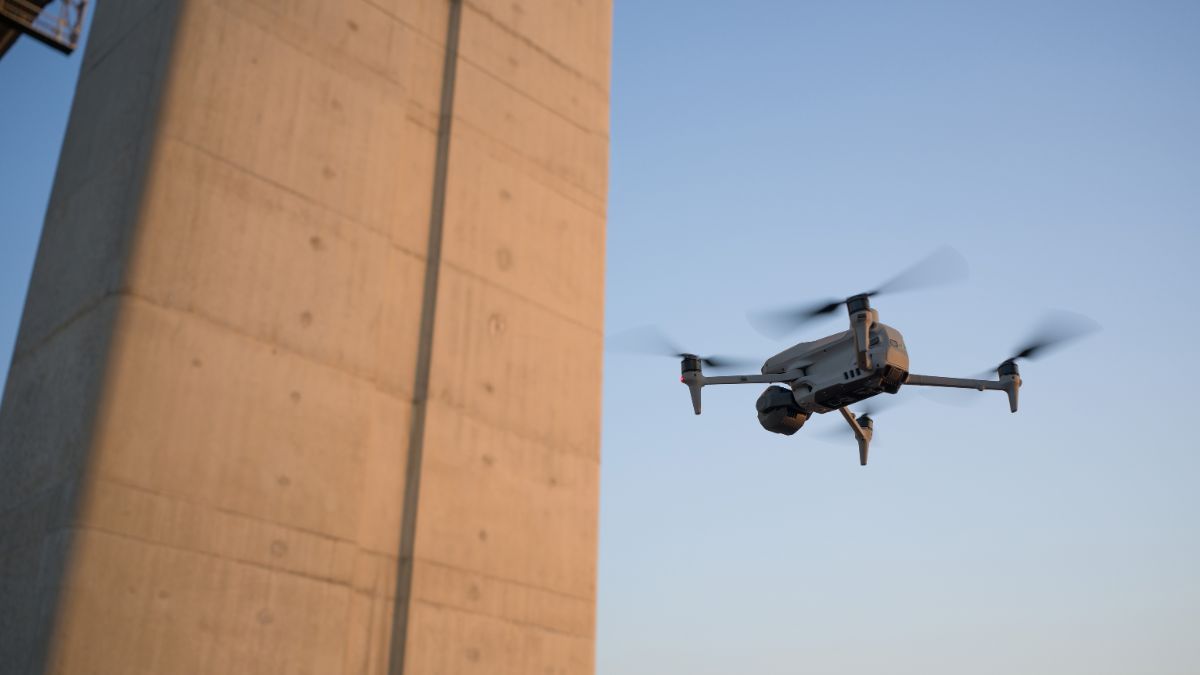
Setting Up the Reach Receiver as a Base
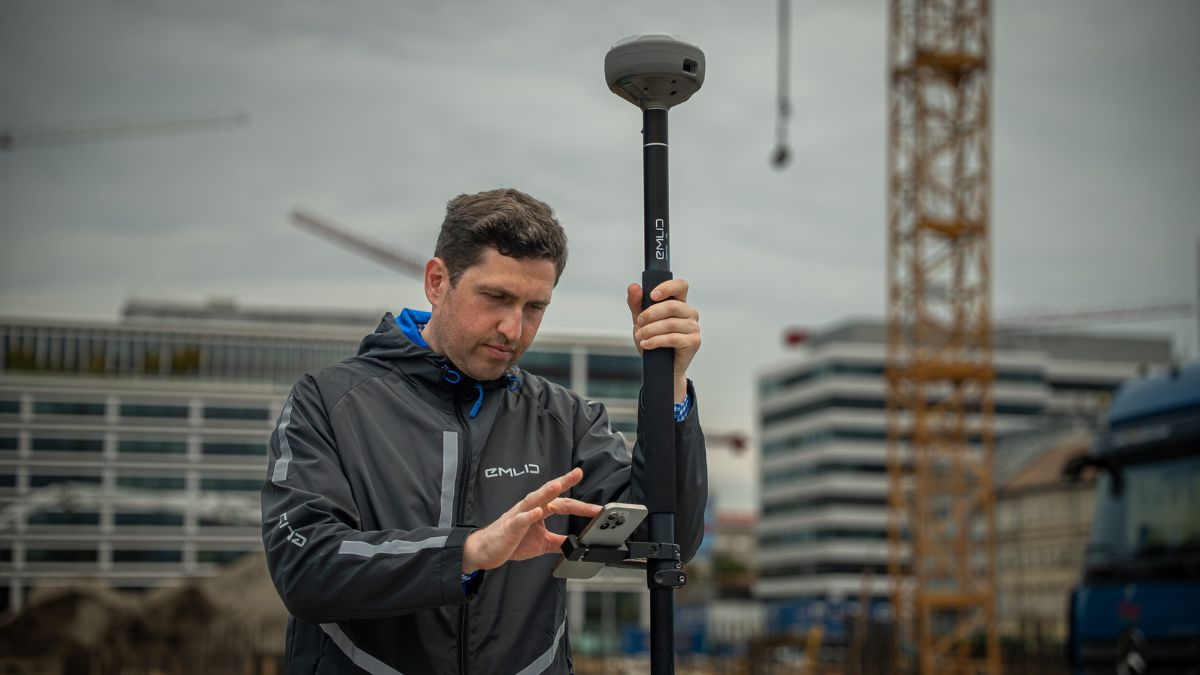
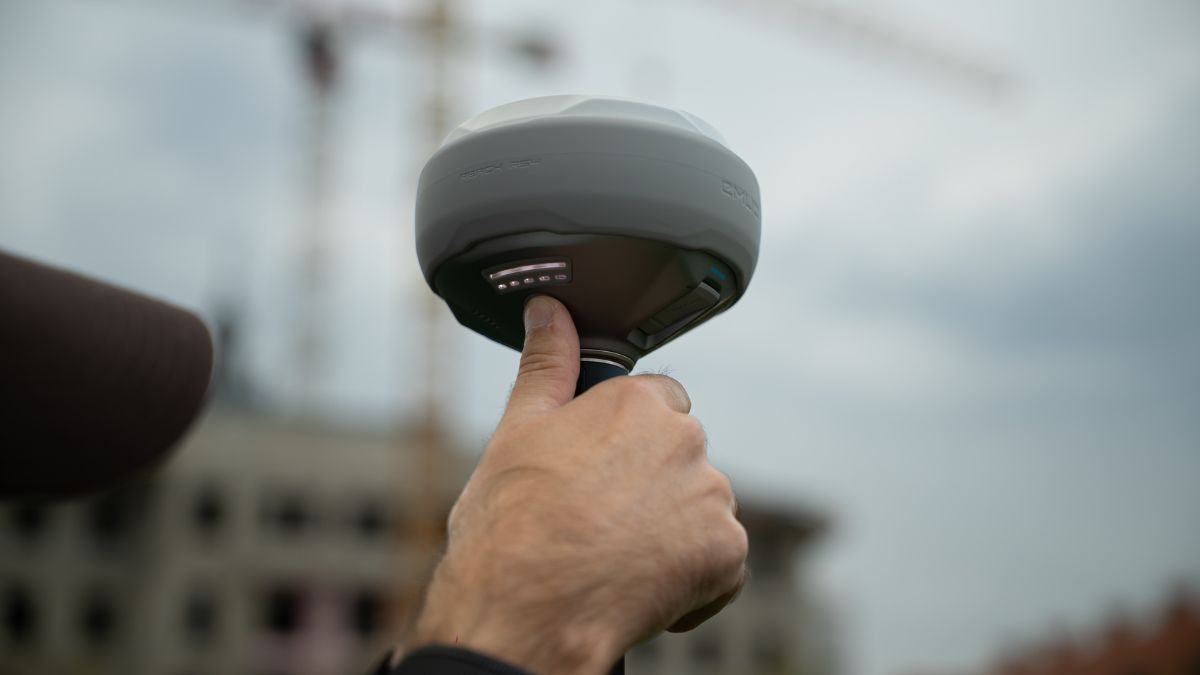
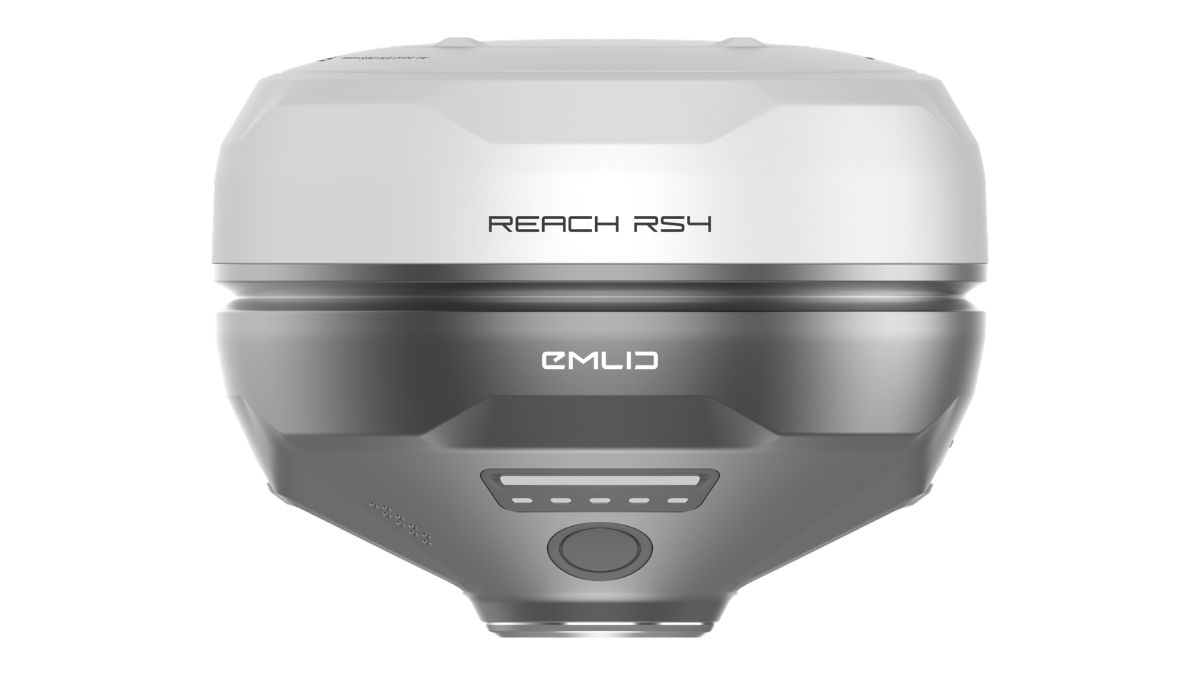
Position the Reach on a tripod with a clear sky view, the same placement discipline as any RTK base. In Emlid Flow, connect to the receiver and select Base output.
For Local NTRIP, choosing that option generates rover credentials directly on the receiver, accessible through the Information button, no internet connection needed on either side. For Emlid Caster, the receiver needs its own internet connection first, cellular modem, WiFi, or a phone hotspot, then Base output is set to NTRIP with the base credentials Emlid Caster issues: address, port, username, password and mount point.
Two Ways to Pair: Local NTRIP vs Emlid Caster
Method | Needs internet | Range | Setup |
|---|---|---|---|
Local NTRIP | No | Limited to the shared WiFi network's coverage | Base broadcasts locally, controller joins the same network |
Emlid Caster | Yes, on the Reach and on the controller separately | Not tied to a local network, works anywhere both sides have signal | Base and rover credentials issued by Emlid Caster |
Local NTRIP suits a fixed site where the base and the RC Plus 2 Enterprise controller can genuinely share one WiFi network, a hotspot from the base itself or a site router. Emlid Caster suits a site without that shared network, or one where the M4E is working further from the base than a WiFi hotspot reasonably reaches.

Connecting the M4E
In DJI Pilot 2 on the RC Plus 2 Enterprise controller, the path is Camera View, the three dots menu, then the RTK satellite icon, with RTK Service Type set to Custom Network RTK. The fields match whichever method was set up on the Reach: NTRIP host address, port, account and password, and the mount point name, using the rover credentials rather than the base credentials in either case.
The Controller Needs Its Own Internet Connection
This is the specific point that trips up most first attempts at Emlid Caster pairing on any DJI Enterprise aircraft, the M4E included. The Reach receiving corrections correctly and showing green on Emlid Caster doesn't mean the RC Plus 2 Enterprise controller can reach it, the controller needs its own separate internet connection to pull those corrections down, a mobile signal or a phone hotspot if the site itself has none.
Local NTRIP sidesteps this specific failure mode since both sides join the same local network rather than needing independent internet access, but it introduces its own constraint: the controller has to stay within range of that network, not just within the M4E's own RTK correction range of the base.
Emlid as an Alternative to the D-RTK 3
The M4E's confirmed DJI-brand base station is the D-RTK 3 Multifunctional Station, which pairs natively with no NTRIP credentials to enter, covered in our M4E RTK setup guide. An Emlid Reach base is the alternative route for an operator who already owns Emlid hardware for ground control point survey work and would rather not run two separate GNSS systems on site, or one who needs Emlid Caster's internet-based range rather than the D-RTK 3's more localised radio link.
 Free Gifts Included
 Free Gifts Included
 Free Gifts Included
 Free Gifts Included
Common Questions
No, the RTK settings path and Custom Network RTK fields are identical across confirmed aircraft, only the controller model and its exact menu appearance differ slightly.
No, DJI aircraft don't support those radio links directly. Pairing goes through NTRIP instead, either Local NTRIP over a shared WiFi network or Emlid Caster over the internet.
Almost always a controller-side internet problem on an Emlid Caster setup, check the RC Plus 2 Enterprise controller has its own internet access independently of the Reach.
Either works over the M4E's RTK settings; the D-RTK 3 pairs natively with no NTRIP credentials, an Emlid Reach suits an operator who already owns one for ground control survey work.
Local NTRIP, since it needs no internet access on either side, only a shared WiFi network between the base and the controller.